


- 18 August, 2026
- 90
- 0
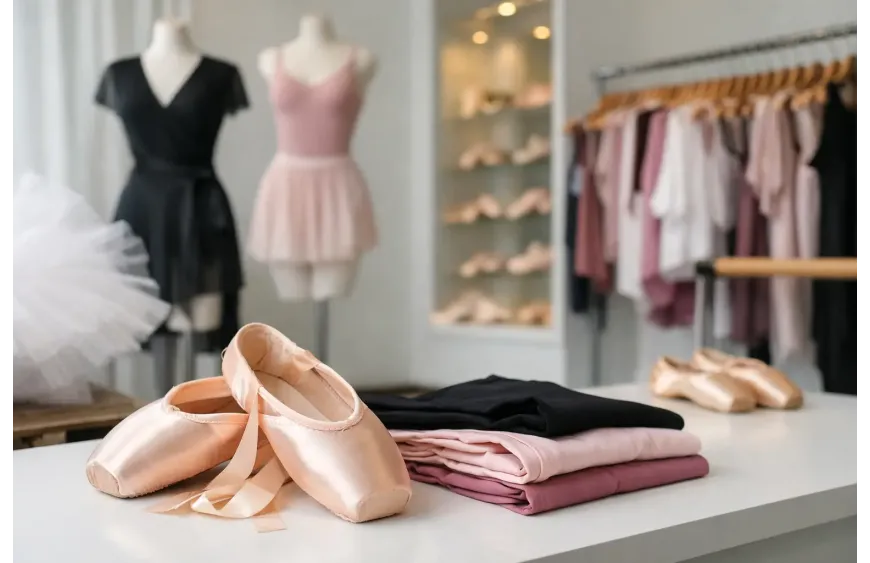
A child can be ready for her first ballet class until the moment a slipper pinches, a strap slips, or a required leotard turns out to be the wrong color. Families searching for a ballet store in Toronto that works in the evenings and weekends, with ballet slippers, ballet leotards, girls' ballet slippers and leotards, plus boys' ballet slippers and leotards, need more than a quick checkout. They need the right items, a clear understanding of studio requirements, and practical fit support that respects a busy family schedule.
Ballet clothing is simple by design, but choosing it correctly is not always simple. A proper shoe fit supports safe movement, while the right leotard lets teachers see alignment and lets dancers focus on class rather than adjusting their clothing. For parents buying a first uniform, a specialty dancewear destination can take much of the guesswork out of the process.
What a Toronto ballet store should help you solve
A ballet store should make it easier to move from a studio supply list to a dancer who feels prepared on the first day. That starts with recognizing that ballet needs differ by age, training level, and class format. A preschool dancer often needs a soft, comfortable starter shoe and an easy-care leotard. A teen in a more structured program may need a particular shoe material, a precise color, tights, a skirt, warm-up layers, and hair accessories.
Timing matters, too. Evening and weekend shopping is particularly valuable for working parents, students, and adults fitting dance into a full week. Before traveling to any in-person location, confirm its current shopping or appointment availability. A personal fitting is most useful when there is enough time to try both shoes, walk, point, and ask questions without rushing.
For local dancers, Dancewear Champions offers a personal in-person shopping location in Thornhill alongside its Canadian online store. This combination can be helpful when a family needs knowledgeable assistance for a first fitting but also wants the convenience of ordering future dancewear needs online.
Ballet slippers: fit comes before size on the label
Ballet slippers are not street shoes. The number on the box is a starting point, not a guarantee. Sizing can vary by brand, material, foot width, and whether the dancer wears tights. A shoe that looks neat but curls the toes is too small. One with excess fabric at the heel or a loose, sliding fit can make it harder for a dancer to feel connected to the floor.
For a first pair, have the dancer try on both slippers with the tights they will wear to class whenever possible. They should stand, walk, bend the knees, and point their feet. The slipper should sit smoothly around the heel and toes, with a close fit that is comfortable rather than restrictive. Children sometimes describe every unfamiliar shoe as “too tight,” so checking toe space and watching how they move gives a more useful answer than relying on that first reaction alone.
Leather and canvas slippers each have a place. Leather is often durable and offers a more traditional feel, while canvas is lightweight, breathable, and commonly preferred for certain classes or examinations. Neither is universally better. The studio's dress code should come first, particularly when it specifies a color or material.
Parents should also check whether the slipper has pre-sewn elastics or whether elastics need to be attached. Pre-sewn options can save time for beginners. Sew-on elastics allow more individual placement, which can be useful for dancers whose feet need a more customized hold. Avoid tying elastics too tightly around the ankle. The goal is security, not pressure.
Girls' ballet slippers and changing feet
Girls' ballet slippers need occasional reassessment because children's feet can change quickly. Do not buy several pairs far in advance simply to prepare for the year. A small amount of growing room may be reasonable for a new beginner, but too much extra length changes how the shoe works and can create distracting bunching at the toes.
A good rule is to inspect the fit regularly, especially at the start of a new term. Look for toes pressing hard against the end, a heel that has become overly stretched, or seams that pull uncomfortably. Replacing a pair at the right time is part of keeping class comfortable and productive.
Boys' ballet slippers deserve the same careful fit
Boys' ballet slippers are often overlooked in general footwear stores, yet boys need the same quality of fit, support, and freedom of movement as every other dancer. Some boys may prefer a wider or more accommodating shape, but foot shape matters more than gender labels. The best choice is the slipper that follows the foot cleanly, keeps the heel secure, and meets the teacher's requirements.
Boys may also need a specified color, frequently black or white depending on the studio and level. Bring the studio list when shopping rather than guessing. This is especially helpful for performances, where uniformity is part of the finished presentation.
Choosing ballet leotards for class, rehearsal, and growth
The best ballet leotard stays in place through pliés, tendus, jumps, and stretches. It should fit close to the body without pulling at the shoulders, digging into the legs, or riding up during movement. A properly fitted leotard helps teachers observe body placement, which is one reason many ballet programs maintain clear dress codes.
For younger dancers, comfort and easy dressing tend to be the biggest priorities. Look for soft, durable fabrics with enough stretch for active class time. A classic short-sleeve, tank, or camisole style can work well, provided it matches the studio's approved style and color. Some studios require pink, black, lavender, or another designated shade, while others allow more choice for recreational classes.
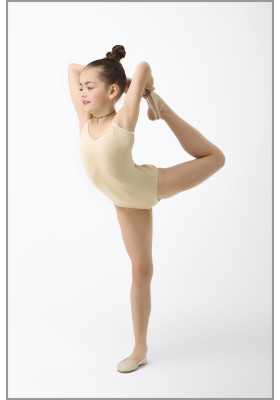
Girls' ballet leotards come in many silhouettes, including short-sleeve, tank, camisole, and long-sleeve options. A more decorative style can be lovely for an open class or special workshop, but a simple studio-approved leotard is usually the most practical foundation for weekly training. If the dancer is sensitive to seams or straps, have her raise her arms, bend forward, and stretch before removing the tags.
Boys' ballet leotards are available in styles designed for movement and coverage, often paired with fitted dance shorts, tights, or other studio-approved bottoms. For boys, the priority is not finding something that looks like a generic athletic top. Ballet clothing needs to stay put, allow a full range of motion, and present a clean line in class. If the program requests a specific garment combination, follow that requirement exactly for auditions, examinations, and performances.
Build a useful first ballet bag
A first ballet purchase does not need to turn into an oversized collection of extras. Start with the required slipper, leotard, tights or bottoms, and any specified skirt or wrap. Then add the practical items that prevent last-minute stress: hair ties or pins for secured hair, a small bag to keep shoes separate, and a warm-up layer for arriving and leaving the studio.
It is wise to keep ballet shoes out of wet outdoor conditions and avoid wearing them outside. Street surfaces wear down the sole and bring dirt into the studio. After class, let slippers air out rather than sealing them immediately in a damp bag. This small habit helps footwear stay fresher between classes.
For performances or intensive programs, consider a backup pair of tights and any required hair accessories. These are the items most likely to be misplaced, snagged, or forgotten when the schedule gets busy.
Make the fitting appointment worthwhile
If you are arranging evening or weekend dancewear shopping, arrive with the studio's written dress-code details, including color, fabric, style, and any brand requirements. Bring the dancer along for shoes and fitted apparel. Guessing from a regular shoe size or ordering a larger leotard “to grow into” can create problems that are easy to avoid in person.
A knowledgeable fitter can help distinguish a close ballet fit from a shoe that is genuinely too small, identify a leotard shape that stays comfortable at the shoulders and legs, and make sure the overall outfit works for the class ahead. The right ballet basics do not need to be complicated. They simply need to fit well enough that the dancer can walk into the studio, take their place at the barre, and give their attention to learning.
Tags ballet store in Toronto that work in the evenings and weekend, ballet slippers, ballet leotards, girls ballet slipper, Girls ballet leotard, boys ballet slippers, boys ballet leotards, ballet store
Related Products
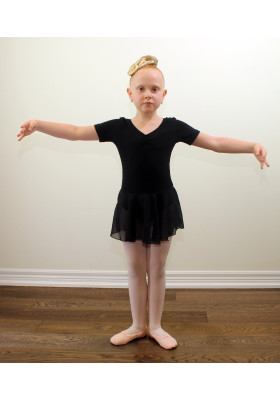
Ballet Girls Leotard Dress 09
$30.00CAD

Ballet Warm-UP 01
$25.00CAD

Sale
Boys Leotard 02
$60.00CAD $35.00CAD
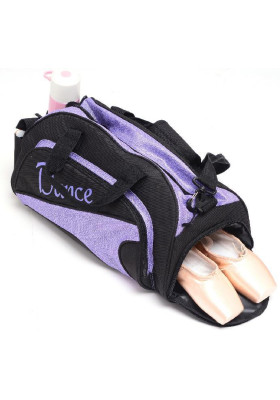
Dance Bag 01
$45.00CAD
Leotard-23
$50.00CAD

Leg warmers - 01
$35.00CAD