

- 14 November, 2026
- 9
- 0
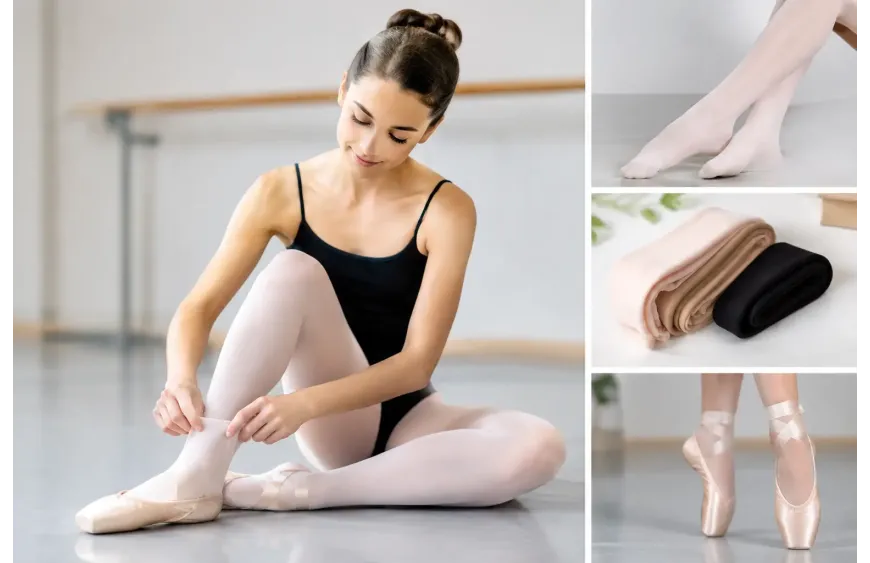
A pair of ballet tights can look nearly identical on the hanger and feel completely different after a grand plié, a quick costume change, or a long day of rehearsals. This ballet tights product review focuses on what dancers and parents actually need to assess: a secure fit, reliable coverage, freedom at the feet, and enough durability to make regular wear practical.
The best choice is not automatically the thickest pair or the softest pair. A young dancer attending one weekly class may need something different from a pre-professional student in daily training, an adult returning to ballet, or a performer dressing for a recital. The right tights should support the work without becoming the thing a dancer has to think about.
What a Good Pair of Ballet Tights Should Do
Ballet tights need to move with the body while keeping a clean, consistent line from waist to toe. In class, they should stay in place through barre, center work, floor stretches, and jumps. Onstage, they also need to read evenly under performance lighting and match the dress code or costume requirements.
A quality pair usually has a smooth knit, controlled stretch, and a waistband that sits flat rather than rolling down. The fabric should recover after movement. If tights become baggy at the ankles or knees after only a few wears, their shape recovery is likely too weak for regular training.
Look closely at opacity as well. Pale ballet pink and theatrical shades can become noticeably sheer when stretched over the thighs, knees, or seat. Some transparency is expected in lightweight dance tights, but uneven coverage can distract from a polished class or stage appearance. For dancers who prefer more coverage, a more opaque style is often the better choice.
Ballet Tights Product Review: Comparing Styles
The first decision is not brand or color. It is foot style. Footed, convertible, and stirrup tights all have a purpose, and choosing the wrong construction can make an otherwise excellent pair frustrating to wear.
Footed tights for a classic ballet line
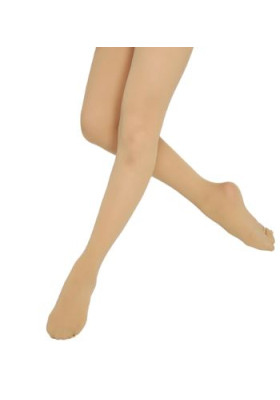
Footed tights cover the full foot and create the traditional ballet silhouette. They are a dependable choice for children in introductory ballet classes, dancers following a strict uniform, and performers who need an uninterrupted line from leg to toe.
Their limitation is practical rather than aesthetic. A dancer cannot easily expose the toes or heel for foot care, taping, or quick shoe changes. They can also wear through more quickly at the toe and ball of the foot, especially for dancers who work intensely in soft ballet shoes. For a straightforward ballet class requirement, however, footed tights are often exactly right.
Convertible tights for versatile training
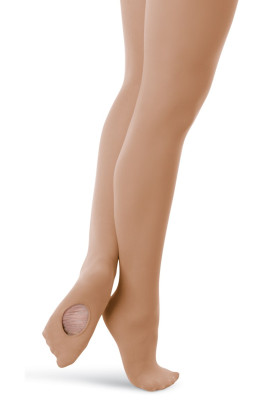
Convertible tights have an opening under the foot that allows the dancer to pull the tights over the heel and toes when needed. This is especially useful for dancers who alternate between ballet and other classes, need to check alignment of the feet, or wear pointe shoes.
The opening adds versatility, but placement matters. A well-designed convertible opening should sit comfortably under the arch without bunching, twisting, or cutting into the foot. Dancers who rarely use the conversion feature may still appreciate the flexibility, but a footed style can offer a slightly cleaner feel for those who want the simplest option.
Stirrup tights for selected uses
Stirrup tights leave the heel and ball of the foot uncovered while looping under the arch. They can be useful for warm-up, contemporary work, or styles where grip against the floor matters. They are less common for traditional ballet uniform requirements, so dancers should always check the class policy before selecting them for a recital or examination setting.
Fabric, Finish, and Comfort Under Movement
Most ballet tights use a blend of nylon or microfiber with spandex or elastane. The fibers influence how the tights feel, how they hold their color, and how they respond to repeated washing. A softer microfiber-style finish can feel especially comfortable for younger dancers and anyone sensitive to a scratchy texture. It also tends to create a refined, matte appearance suitable for class and performance.
A shinier finish can work well in certain costumes or stage settings, but it is not every dancer's preference. Under bright lights, shine can emphasize the curve of the leg and reflect strongly in photos. For everyday ballet training, many dancers prefer a matte or low-sheen finish because it looks natural and makes the line easier for instructors to see.
The waistband deserves as much attention as the leg fabric. A wide, soft waistband may be more comfortable for long rehearsals, while a firmer waistband can feel more secure during active movement. Neither is universally better. The key is that it stays level without digging into the waist or creating pressure when the dancer bends and extends.
Fit Is More Than a Height Chart
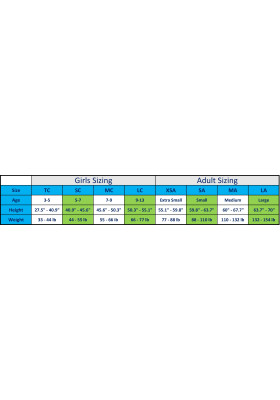
Sizing charts are an essential starting point, especially when buying for growing children. Still, height alone does not tell the full story. A dancer with longer legs, a fuller hip, a longer torso, or a broader waist may need a different size than a chart initially suggests.
Tights that are too small can pull at the waistband, strain at the crotch, and become sheer across stretched areas. Tights that are too large may wrinkle behind the knees, sag at the ankles, or shift during turns. Both problems affect comfort and presentation.
When between sizes, consider the dancer's proportions and the intended use. For an active, growing child, the larger size may offer a more comfortable wear period, provided it does not bunch. For a competition, recital, or formal performance, a closer fit usually gives a neater line. Dancewear Champions can be especially helpful for Toronto and GTA families who would rather confirm fit in person than guess from a package size.
Durability: Where Tights Usually Fail
No ballet tight is indestructible. Snags happen, particularly around rough nails, dance bag zippers, wooden benches, and shoe fasteners. Still, better tights should resist premature runs and recover their shape after washing.
The most common weak points are toes, heels, inner thighs, and the waistband seam. Frequent dancers should inspect new tights after the first few wears. If the knit pills heavily, twists, or loses elasticity quickly, it may not be the best value even if it initially feels soft.
Care makes a real difference. Hand washing is gentlest, but a mesh laundry bag and cold, delicate cycle can be practical for busy dance families. Avoid high heat in the dryer, which can weaken elastic fibers and shorten the life of the tights. Keeping a spare pair in the dance bag is also sensible for recital days, auditions, and competition weekends.
Choosing Color for Class and Performance
Pink remains the standard choice for many ballet programs, but the exact shade can vary. Some schools request ballet pink, while others specify a particular theatrical pink, tan, black, white, or a skin-tone option. Always follow the instructor's dress code before ordering multiples.
For performances, color consistency matters across a group. Two pinks that look similar indoors can appear noticeably different under stage lighting. If a studio has issued a specific requirement, use it rather than substituting based on a screen image. For adult open classes and recreational training, dancers often have more freedom to select a shade that feels comfortable and suits the rest of their dancewear.
The Best Choice Depends on How You Dance
For a child's first ballet class, a soft footed tight in the required color is usually the simplest, most appropriate option. For dancers taking several classes a week or preparing for pointe work, convertible tights are often worth considering for their flexibility. For rehearsals, warm-up, and mixed-style training, stirrup or convertible options may offer the most practical wear.
The goal is a pair that feels invisible once class begins: no rolling waistband, no sagging knees, no distracting shine, and no need to stop dancing to adjust the fit. Start with the school requirement, match the style to the dancer's routine, and keep one dependable spare pair ready for the moments when presentation matters most.
Tags Ballet Tights, Ballet Footed tights, Ballet Convertible tights
Related Products
Ballet Pointe Shoes
$75.00CAD

Ballet Warm-UP 01
$25.00CAD